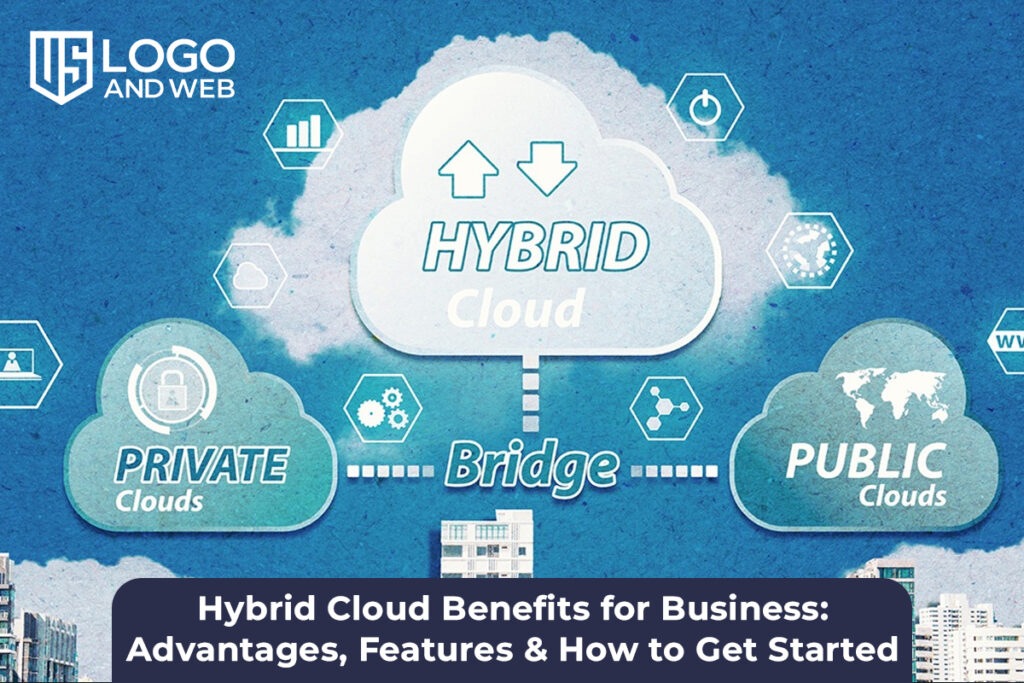
A hybrid cloud is a cloud computing model that integrates both private and public clouds to offer greater flexibility. It allows businesses to choose where to place their workloads and applications, ensuring that data security and compliance are maintained in private clouds while offering the scalability and flexibility of public cloud platforms for other operations.
In today’s fast-paced business landscape, technology plays a pivotal role in shaping operations, security, and scalability. One of the most sought-after solutions is hybrid cloud, which combines the benefits of both public and private cloud environments. For the reason to provide the best of both systems, a hybrid cloud model integrates the computing resources of the public and private clouds.
Hybrid cloud computing offers businesses the best of both worlds by allowing them to run sensitive workloads in private clouds while utilising public clouds for scalable, less critical applications. This balance between security and scalability is a game-changer for companies looking to enhance their operations without compromising on performance or data privacy.
What is Hybrid Cloud and Its Benefits for Business?
For businesses, the hybrid cloud model provides numerous advantages. It not only ensures seamless integration between on-premise infrastructure and public cloud services but also helps in reducing overall IT costs. This adaptive model allows businesses to scale up or down based on their needs, ensuring optimal resource utilisation while minimising excess expenses.

Key Features of Hybrid Cloud for Business
- Flexibility in Data Management: A hybrid cloud allows businesses to choose where to store data, ensuring that sensitive information remains in a private cloud, while other, less-critical data can be processed in the public cloud.
- Cost-Effectiveness: With hybrid cloud, businesses can optimise their IT costs by only paying for what they use, making it more affordable than maintaining a purely on-premise infrastructure.
- Scalability: Hybrid cloud allows businesses to scale resources up or down, depending on demand. This makes it perfect for handling fluctuating workloads without overcommitting to infrastructure.
- Disaster Recovery: The hybrid model ensures that data is protected by creating backup systems across both cloud environments. This setup provides robust disaster recovery options in case of unexpected events.
- Improved Security and Compliance: Businesses can maintain stricter control over their sensitive data in private clouds while leveraging the public cloud for non-sensitive operations, helping meet security and compliance standards.
- Seamless Integration: Hybrid cloud integrates easily with on-premises systems, enabling businesses to modernise their infrastructure without a complete overhaul of their existing systems.
- Enhanced Collaboration: With hybrid cloud solutions, remote teams can collaborate seamlessly, as the cloud services allow easy access to shared resources and real-time data updates across locations.
How to Download Hybrid Cloud Services
To integrate hybrid cloud solutions into your business, follow these simple steps:
- Choose a Hybrid Cloud Provider: Research and select a trusted hybrid cloud provider (like IBM, AWS, or Azure).
- Sign Up for an Account: Visit your chosen provider’s website and create an account to access their hybrid cloud services.
- Select Services and Features: Customise the hybrid cloud package based on your business requirements, choosing services like data storage, security features, and scalability options.
- Download and Set Up: Follow the provider’s setup instructions, including software downloads and configuration steps for private and public cloud integration.
- Monitor and Optimise: Once set up, monitor your cloud usage and optimise resource allocation as per your needs.
How to Win with Hybrid Cloud Tips
- Understand Your Business Needs: Carefully analyse which workloads are suitable for the public cloud and which require the private cloud.
- Focus on Security: Ensure that all sensitive business data is secured in the private cloud with appropriate encryption.
- Plan for Scalability: Choose a hybrid cloud solution that can easily scale to accommodate future business growth.
- Choose the Right Provider: Research and select a hybrid cloud service provider with a strong track record in business integration and customer support.
My Personal Experience with Hybrid Cloud
Having implemented a hybrid cloud solution for our company, I can confidently say that it was a game-changer. The flexibility in handling both sensitive and non-sensitive data allowed us to maintain strict compliance, while the cost-saving aspect helped optimise our IT resources. The seamless integration with existing infrastructure made the transition smooth, and we’ve seen a noticeable improvement in overall efficiency.
Pros and Cons of Hybrid Cloud
Pros:
- Cost Efficiency: Pay only for what you use.
- Scalability: Easily adapt to changing business needs.
- Security: Enhanced control over sensitive data.
- Flexibility: Integrates with existing IT systems.
Cons:
- Complex Management: Requires expertise to manage both cloud environments.
- Dependency on Internet Connectivity: Relies on strong internet connectivity for accessing cloud services.
- Data Transfer Costs: Moving large amounts of data between cloud environments can incur costs.
Conclusion
Incorporating hybrid cloud into your business model can significantly enhance your IT operations, providing the perfect balance of security, flexibility, and cost-efficiency. It’s not just about the cloud. It’s about choosing the right model that aligns with your business needs and goals. By opting for a hybrid approach, businesses can scale effectively, ensure data security, and streamline operations with ease.
FAQs
What are the main benefits of hybrid cloud?
The hybrid cloud offers flexibility, cost-efficiency, security, and scalability by combining public and private cloud resources.
How do I ensure security with a hybrid cloud?
Sensitive data is stored in private clouds with enhanced encryption, while non-sensitive data can be processed in the public cloud.
Can a hybrid cloud scale as my business grows?
Yes, hybrid cloud solutions are designed to scale easily based on business demand, without needing major infrastructure changes.
How does hybrid cloud compare to public and private clouds?
Hybrid cloud combines the benefits of both public and private clouds, offering the best of security, scalability, and cost-efficiency.