
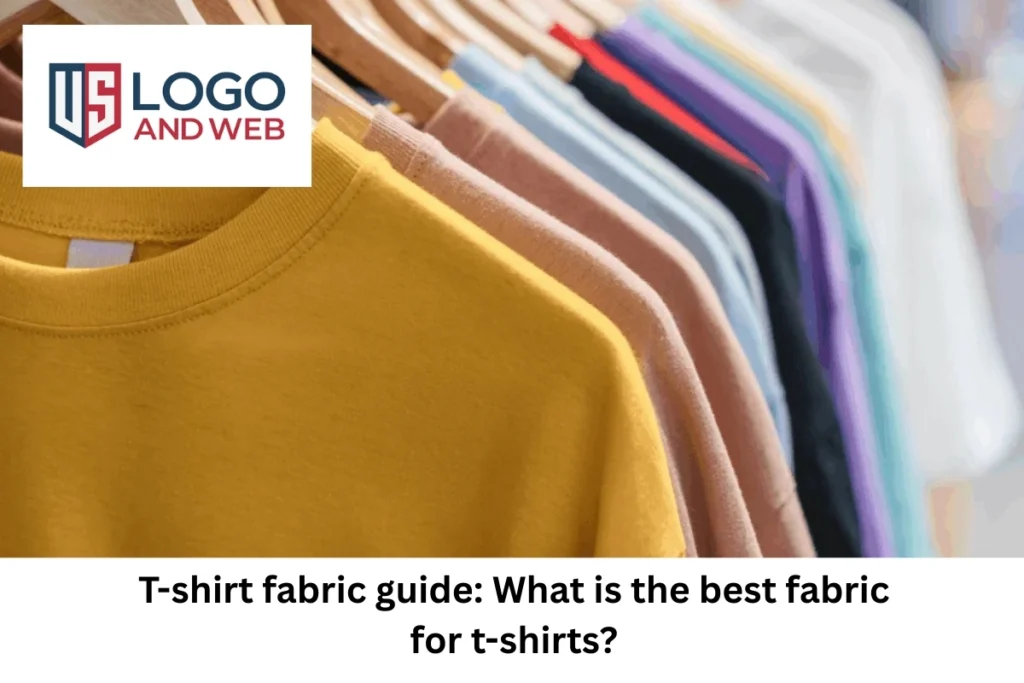
A t-shirt fabric guide explains different materials used to make tees and how each performs in comfort, breathability, durability, and print quality. It helps shoppers and brand owners avoid poor-quality shirts and wasted money
Choosing the right t-shirt fabric sounds simple, but it can make or break comfort, durability, and style. Whether you’re buying everyday tees or launching a clothing brand, fabric choice matters more than most people realize. Many guides talk about materials but skip real-world wear, climate comfort, and printing results. This t-shirt fabric guide fills those gaps with practical advice, clear comparisons, and personal insights to help you choose the best fabric for your needs.

What Is a T-Shirt Fabric Guide?
A t-shirt fabric guide explains different materials used to make tees and how each performs in comfort, breathability, durability, and print quality. It helps shoppers and brand owners avoid poor-quality shirts and wasted money. Instead of guessing between cotton, polyester, or blends, this guide breaks down how fabrics feel on skin, how they handle sweat, and how long they last so you can confidently pick the best fabric for t-shirts.
Key Features to Look for in T-Shirt Fabrics
1. Breathability – Good fabric lets air flow and keeps skin cool in warm weather.
2. Softness – The best tees feel smooth against skin without irritation.
3. Durability – Quality fibers resist shrinking, pilling, and fading after washes.
4. Stretchability – Slight stretch improves fit and movement comfort.
5. Moisture Control – Some fabrics wick sweat instead of trapping it.
6. Print Compatibility – Fabric type affects how well designs and inks hold.
7. Eco Impact – Sustainable materials reduce environmental footprint
Which Fabric Is Best for T-Shirts?
Cotton (100%)
The most popular choice. Ring-spun cotton feels soft, breathable, and natural. Great for daily wear and screen printing. Downsides: wrinkles and shrinks slightly if untreated.
Polyester
Lightweight, wrinkle-free, and quick-drying. Ideal for sports or activewear. Less breathable than cotton but extremely durable.
Cotton-Poly Blends
Combines the softness of cotton with the strength of polyester. Holds shape well and prints beautifully. A top choice for fashion and branded merch.
Tri-Blend (Cotton + Polyester + Rayon)
Ultra-soft, lightweight, and stylish drape. Premium feel but slightly more expensive.
Organic Cotton
Grown without harmful chemicals. Softer on skin and better for the planet. Perfect for eco-friendly brands.
Bamboo Fabric
Naturally antibacterial and moisture-wicking. Very soft, but higher cost.
How to Win: Smart Fabric Selection Tips
Always match fabric to purpose: casual, athletic, or premium fashion.
Test sample shirts before bulk buying to check softness and print quality.
Consider that hot climate regions need breathable cotton or bamboo.
If selling online, list fabric details clearly to build buyer trust.
My Personal Experience
When I first tested different fabrics for custom tees, I ordered cotton, poly, and tri-blend samples. Cotton felt great but shrank slightly after washing. Polyester stayed perfect but felt less airy. Tri-blend quickly became my favorite soft, stylish, and durable.
That hands-on testing taught me that fabric choice directly affects customer satisfaction and repeat sales.
Pros and Cons
Cotton
Pros: Breathable, soft, natural feel
Cons: Can shrink, wrinkles
Polyester
Pros: Durable, quick-dry, wrinkle-free
Cons: Less breathable
Blends
Pros: Balanced comfort and durability
Cons: Slightly higher cost
Organic/Bamboo
Pros: Eco-friendly, premium feel
Cons: More expensive
How to Register and Deposit in T-Shirt Design Apps (Bonus Tip)
Many print-on-demand platforms work like simple apps.
To register, create an account, upload your designs, and select fabric options.
To deposit or fund your store, connect a payment method for production charges.
Always test-order a sample before selling to customers.
Conclusion
The best fabric for t-shirts depends on comfort, durability, and purpose. Cotton remains a classic, blends offer balance, and eco-fabrics lead modern trends.
By understanding fabric features and testing samples, you avoid costly mistakes.
Choose wisely, and your t-shirts will feel better, last longer, and sell faster.
FAQs
What is the most comfortable fabric for t-shirts?
Ring-spun cotton and tri-blend fabrics offer the softest feel.
Which fabric lasts longest?
Polyester and cotton-poly blends resist wear and shrinking.
Is organic cotton worth it?
Yes — it’s softer, eco-friendly, and appeals to conscious buyers.
What fabric is best for printing designs?
Cotton and cotton-poly blends hold ink best for vibrant prints.