

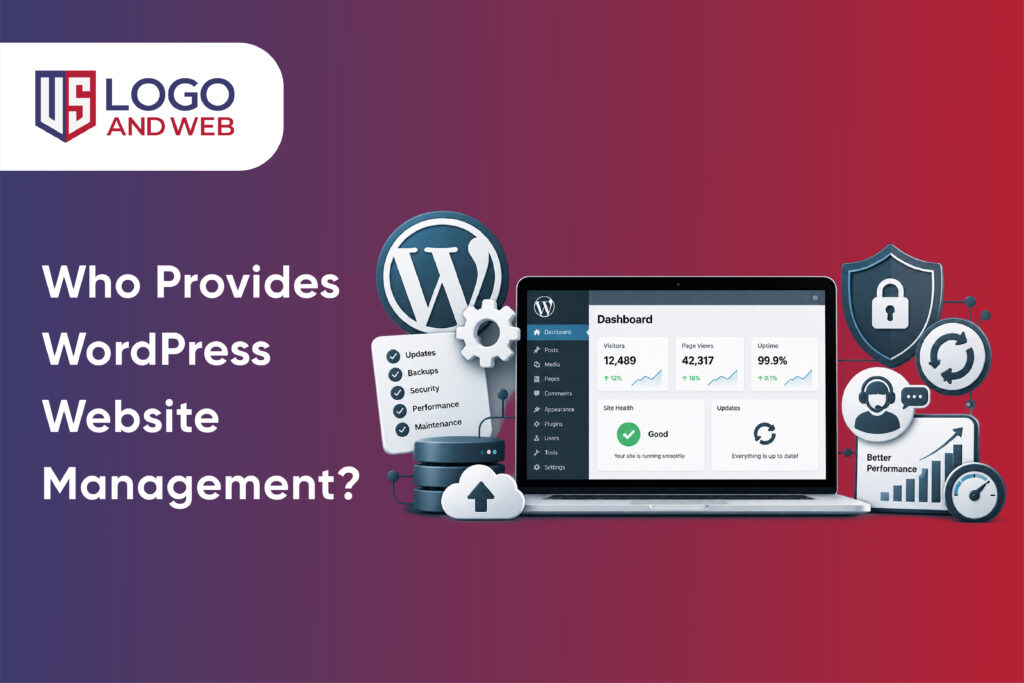
A WordPress website can look simple from the outside, but keeping it healthy behind the scenes takes regular attention. Plugins need updates, security settings need monitoring, backups need to work, and website content may need changes from time to time. When these tasks are ignored, even a well-designed website can become slow, outdated, or difficult to manage.
This is where WordPress website management comes in. But who actually provides this service? Website owners can choose from several options, including WordPress developers, freelancers, maintenance companies, full-service web agencies, and managed hosting providers. The right choice depends on the size of the website, business goals, technical requirements, and available budget.
What Does WordPress Website Management Include?
WordPress website management is more than simply updating a plugin once in a while. It involves ongoing work that helps a website remain secure, functional, updated, and useful to visitors.
Depending on the provider, management may include:
- WordPress core updates
- Plugin and theme updates
- Website backups
- Security monitoring
- Malware checks
- Broken link and error checks
- Website speed improvements
- Uptime monitoring
- Content updates
- Technical troubleshooting
- Database maintenance
- SEO-related improvements
- Website performance monitoring
Some providers offer only technical maintenance, while others provide broader support that includes design, development, content, and SEO.
1. WordPress Maintenance Companies
Dedicated WordPress maintenance companies focus mainly on keeping websites running properly. They are a good choice for businesses that already have a website but do not want to handle technical tasks themselves.
A maintenance provider may regularly check for outdated software, create backups, monitor security, and help resolve technical problems. Some companies also provide a certain number of content edits as part of their monthly plans.
This option works well for website owners who want ongoing technical support without hiring a developer full-time.
However, not every maintenance company provides design or development services. If you want to add a custom feature or completely redesign your website, you may need additional help.
2. Freelance WordPress Developers
A freelance WordPress developer is another option for website management. Freelancers can often provide personalized support because you work directly with the person handling your website.
They may help with updates, plugin conflicts, website errors, custom changes, speed issues, and other technical tasks.
Freelancers can be particularly useful for small businesses, bloggers, portfolios, and websites with straightforward requirements. Their pricing may also be more flexible than larger agencies.
The main concern is availability. A single freelancer may not always be available when an urgent issue appears. For a business that depends heavily on its website, this is something worth considering before choosing this option.
3. Full-Service Web Design Agencies
A full-service web agency can manage a WordPress website while also helping improve it over time. This makes agencies a strong option for businesses that use their website as an important part of their marketing and sales strategy.
Instead of only keeping the website online, an agency may help with:
- Website design
- WordPress development
- Security and maintenance
- Speed optimization
- SEO
- Content updates
- Landing pages
- Website redesigns
- Custom functionality
- Conversion improvements
For example, if a business notices that visitors are reaching its website but few people are submitting the contact form, an agency can investigate the website experience and recommend improvements.
This broader approach can be valuable because the same team can handle both technical problems and future website improvements.
For businesses looking for this type of ongoing support, US Logo and Web can provide WordPress website services designed around the changing needs of a business.
4. Managed WordPress Hosting Providers
Managed WordPress hosting companies provide another layer of website support. Their main responsibility is usually the hosting environment where the website operates.
Depending on the hosting plan, services can include automatic backups, SSL support, server-level security, caching, performance features, and certain WordPress updates.
Managed hosting can reduce the amount of technical work required from a website owner. However, hosting support does not always mean complete website management.
For example, if a plugin causes a layout problem, the hosting provider may not be responsible for redesigning the affected page. Similarly, adding new website content or developing a custom feature may fall outside the hosting plan.
Therefore, managed hosting can be an important part of WordPress management, but it may not replace a dedicated developer or agency.
5. In-House Website Teams
Larger organizations may choose to manage WordPress internally. An employee or an internal web team can take responsibility for updates, security, content, performance, and development.
The biggest advantage is direct control. The business does not need to depend entirely on an outside provider for routine changes.
However, building an in-house team can require more investment. The company may need people with different skills, including development, design, content, SEO, and cybersecurity.
For smaller businesses, outsourcing WordPress management can often be a simpler way to access these skills without building a complete internal department.
How Do You Choose the Right WordPress Management Provider?
There is no single provider that is perfect for every website. Start by considering what your website actually needs.
If you have a small personal website and only need occasional technical assistance, a freelancer may be enough.
If your main concern is updates, backups, and security, a dedicated maintenance provider could be a better fit.
If your website generates leads, supports online sales, or plays an important role in your marketing, a full-service agency may offer greater long-term value.
Before signing up, ask potential providers a few important questions:
Are Backups Included?
Find out how often backups are created and where they are stored. A backup is useful only if the website can actually be restored when something goes wrong.
Who Handles Security Problems?
Ask whether the service includes security monitoring, malware detection, and help if the website becomes compromised.
Are Updates Tested?
WordPress plugins and themes do not always work perfectly together. A provider should have a sensible process for handling updates and checking whether important website functions still work afterward.
What Happens When Something Breaks?
Make sure you understand how technical problems are handled. Ask about support channels, response times, and whether emergency fixes are included.
Does the Service Include Content Changes?
Some providers only handle technical maintenance. Others can update pages, publish blog posts, replace images, or make small website edits. Knowing this beforehand can prevent unexpected costs.
Why Professional WordPress Management Matters
A website is not finished simply because it has been launched. WordPress websites depend on multiple components that need attention over time.
An outdated plugin can create compatibility problems. Poorly optimized images can affect loading speed. Missing backups can make recovery difficult after an unexpected problem. Security weaknesses can also put website data and visitors at risk.
Professional management helps businesses stay ahead of these issues rather than waiting until something goes wrong.
It can also free business owners from spending hours dealing with technical tasks. Instead, they can focus on customers, marketing, products, and other important parts of the business.
Final Thoughts
So, who provides WordPress website management? The answer can include freelancers, dedicated maintenance companies, managed hosting providers, in-house teams, and full-service web agencies.
The best choice depends on what you expect from your website. A simple blog may only need occasional technical support, while a growing business may need continuous maintenance, development, security, SEO, and content assistance. Understanding your WordPress Site Cost? can also help you decide how much to invest in ongoing management and support.
When comparing providers, do not focus only on the monthly price. Look at what is included, how problems are handled, whether backups and security are covered, and whether the provider can support your website as your business grows.
With the right WordPress management partner, your website can remain secure, functional, updated, and ready to support your business goals.
Frequently Asked Questions
1. Who can manage a WordPress website?
A WordPress website can be managed by a freelance developer, maintenance company, managed hosting provider, in-house team, or full-service web agency. The best option depends on the website’s technical needs and business goals.
2. What is included in WordPress website management?
Services may include WordPress updates, plugin and theme management, backups, security monitoring, troubleshooting, performance improvements, content updates, and technical support.
3. Is WordPress website management necessary?
Regular management is recommended for business websites because WordPress software, plugins, themes, security requirements, and website content can change over time. Ongoing attention can help prevent avoidable problems.
4. Can a freelancer manage my WordPress website?
Yes. Freelancers can manage updates, backups, troubleshooting, design changes, and development tasks. They can be a practical option for smaller websites with straightforward requirements.
5. What is the difference between WordPress hosting and website management?
WordPress hosting mainly provides the server environment where your website operates. Website management usually covers broader tasks such as updates, security, troubleshooting, content changes, and performance improvements.
6. Should a business hire a WordPress agency?
A WordPress agency can be useful when a business needs more than basic maintenance. Agencies may provide development, design, SEO, security, performance optimization, and ongoing technical support from one place.


